
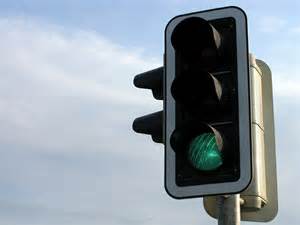
Have you ever been stopped at a traffic light and the person in the car behind you beeps when the light has been green for barely a second? It makes the hair stand up on the back of neck, and I usually mutter a choice word or two under my breath rather than taking a deep breath myself. If you live in Washington or some other city with high stress and traffic woes, then it probably happens all the time. Why can’t people take a breath and wait? Have you been in a line at the grocery store and there is someone checking out in front of you that is using coupons or trying to purchase 4 $25 Visa gift cards using separate credit or debit cards? This sort of experience typically happens when we are tired, frazzled, short on time, late getting somewhere and when our patience is at a lower than normal threshold. The last one may be a slight exaggeration, but my point is that in any given day, including moments in our classrooms and beyond, there are conversations, interactions and instructions that need just a touch of increased attention to support everyone involved. We have opportunities to carve out mindful wait time. The challenge is that sometimes we feel pressed to get through a lesson or meeting because we have been saddled with interruptions, weather delays and projects that have altered and wrecked havoc on our carefully crafted schedules. Sometimes we are not conscious of the need for collective pauses or wait time when we are posing questions and asking for responses from our students or others with whom we are in conversation. Tish Jennings, a professor of Education at the University of Virginia and recognized leader in the field of mindfulness describes it in this way:
“One way to promote engagement and learning is to consciously create pauses throughout the day. We can create a sense of spaciousness in our classroom by slowing down the pace of our speech and punctuating our lessons with silence. Introduced well, this practice can improve classroom discourse. When I introduce this idea to teachers, I often hear concerns that they will be wasting valuable time doing nothing. It’s important to recognize that during the pauses, you and your students are not “doing nothing.” Your students may be considering several alternatives; they may be mulling a picture over in their mind; they may be trying to drudge up the right word from their vocabulary. When we give them this time, their processing becomes richer, deeper, and more abstract. The added bonus of these pause punctuations is that they give us as teachers a few moments to practice mindfulness. When this becomes an intentional part of our lessons, we can take time to notice our body in space, the whole classroom, each student, and the small details that surround us, in the present moment. We give ourselves a short break- a micro-vacation from the constant activity of a busy classroom. We can use the time to tune in to ourselves and to our students. We can ask ourselves, “How am I feeling right now? How are the students feeling? What’s happening right now? What do my students need? How can I explain this better? By taking mindful pauses, we are modeling mindful behavior for our students and letting us all have some time to process the information we are exploring together.”
These mindful pauses can be useful at the beginning or during meetings, before we send an email or make a dreaded phone call, during conversations or discussions with our kids, colleagues, a partner, friend or a spouse. When we begin to notice how our bodies feel in these given moments, how the conversation is going, what the other participants are doing in our classrooms or a meeting, how they are interacting or not, we are beginning to create important space for ourselves and those in our midst while increasing our awareness and understanding of the given moment. The challenge is that we are often moving too quickly, have a never ending to do list and feel the pressure of having too much to accomplish. Can you take more moments and see them as “a three breath challenge? Give your “self,” first and foremost, and those with whom you live, love and work the gift of this brief time and space. With practice, the wait time will seem less awkward, the stillness will begin to feel different, and you will become increasingly aware of all that surrounds you.



 Looking For Calm
Leave a comment